OFED: Ozone-depleting Substances & Fluorinated Gases Emissions Database
The OFED database is derived from the published research findings of our team.
OFED provides emissions data for ozone-depleting substances (ODSs) and fluorinated gases (F-gases) to address their dual impact on ozone depletion and climate change.
The Montreal Protocol
Successfully phased out most ODSs, safeguarding the stratospheric ozone layer for future generations.
UN Climate Change Conventions
Mandate the reduction of all greenhouse gases, including many F-gases, to mitigate global warming.
Accurate quantification of atmospheric emissions is the cornerstone of global environmental governance. It transforms invisible chemical releases into actionable scientific insights, empowering researchers and policymakers to monitor mitigation progress with precision. By mapping the trajectory of these substances, we can identify critical emission hotspots, verify international compliance, and develop robust forecast models for future environmental outcomes.
OFED serves as a vital strategic bridge, connecting the rigors of scientific measurement with the demands of effective policy-making for planetary health. We consolidate disparate, multi-source data—ranging from high-frequency atmospheric observations to granular industrial reporting—into a single, trusted, open-access resource.
Inventory Emissions
The bottom-up approach quantifies emissions using activity data (production and consumption) and emission factors.
View Database →Inversion Emissions
The top-down approach quantifies emissions using observations, transport models, and inversion algorithms.
View Database →OFED Global Emissions
Comprehensive comparison between OFED results and other established global/regional emission datasets.
Compare Data →Inventory Emissions
Provide both total emissions and sectoral breakdowns.
Methodology
The bottom-up inventory approach estimates emissions based on activity data (production and consumption) and emission factors, in accordance with the emission mechanisms specific to each sector. For detailed methodologies, please refer to the publications listed below.
Publications
| Study | Substance | Region | Year | Reference |
|---|
Inversion Emissions
Top-down estimations with uncertainty ranges (Mean ± SD)
Methodology
The top-down approach utilizes atmospheric concentration observations, integrated with atmospheric transport models and inversion algorithms, to estimate total emissions and their spatial distributions. This methodology is generally classified into the interspecies ratio method (ISC) and the inversion method. For detailed methodologies, please refer to the publications listed below.
Publications
| Study | Substance | Region | Year | Reference |
|---|
OFED Global Emissions
Comparison of Bottom-up inventories and Top-down (Inverse Modeling & ISC) estimates.
Publications
| Study | Substance | Region | Year | Method | Reference |
|---|
Meet the Team
Our team is dedicated to the research of ODSs and F-gases emissions.
Team Introduction
The OFED database is led by Zhejiang University, in collaboration with Peking University and Beijing Jiaotong University. Our team is dedicated to solving the challenges of emission source attribution for ODSs and F-gases. Our research focuses on the environmental impacts of halogenated substances on ozone depletion and climate change. By integrating emission inventories, atmospheric observations, and inversion modeling, we have developed a system that bridges "bottom-up" and "top-down" approaches. The OFED database compiles all currently published emission datasets at global, national, and regional scales, which have been collected, organized, and visualized by Professor Xuekun Fang's research group. We look forward to the OFED database better supporting scientific management and research in the future.
团队介绍
OFED数据库由浙江大学牵头,联合北京大学和北京交通大学共同建设。我们致力于解决ODSs和含氟气体排放源解析的难题。我们的研究聚焦于卤代物质对臭氧层损耗和气候变化的环境影响。通过整合排放清单、大气观测和反演模型,我们建立了一个连接“自下而上”与“自上而下”两种方法的系统。OFED数据由方雪坤教授团队收集、整理和可视化,搜集了全球、国家和区域尺度上目前已发表的所有排放数据。期待OFED数据库未来能更好地服务于科学管理与科学研究。
Core Members
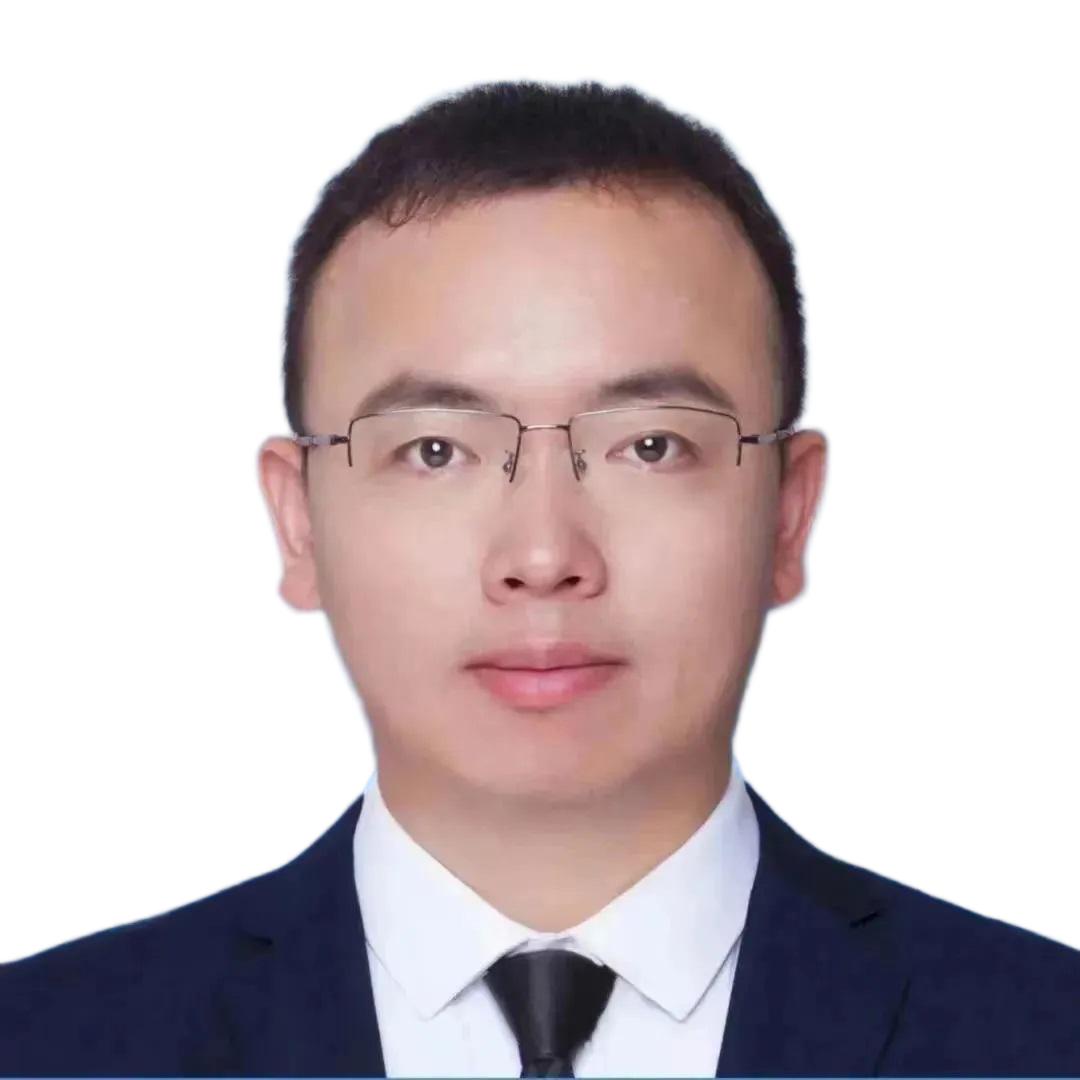
Xuekun Fang, Zhejiang University, Professor
方雪坤, 浙江大学, 教授
Email: fangxuekun@zju.edu.cn

Jing Wu, Beijing Jiaotong University, Professor
吴婧, 北京交通大学, 教授
Email: wujing.108@bjtu.edu.cn
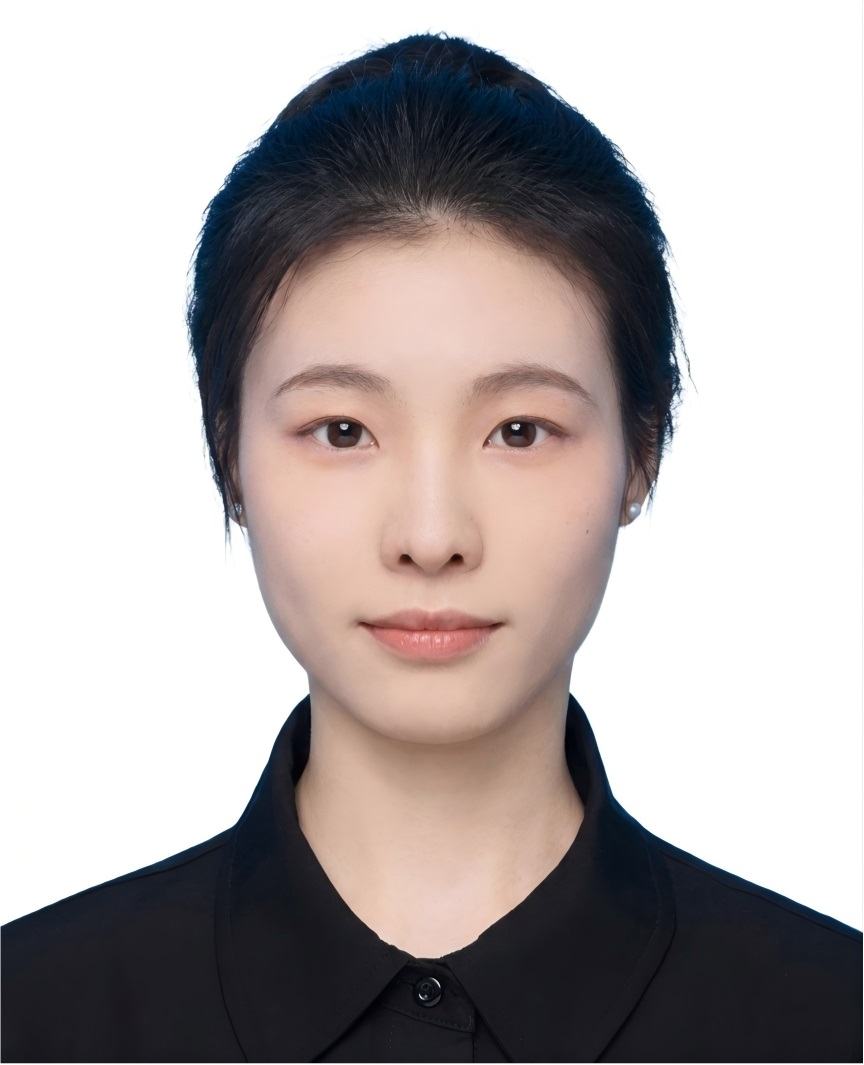
Fuli Bai, Peking University, Assistant Researcher
白富丽, 北京大学, 助理研究员
Email: fuli_bai@pku.edu.cn

Ruoqian Wang, Zhejiang University, Ph.D. Student, Website development and operations
王若芊, 浙江大学, 博士生, 负责网站开发与运维
Email: wangruoqian@zju.edu.cn
Expert Consultant
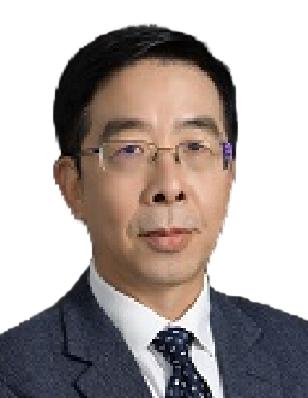
Jianxin Hu, Peking University, Professor
胡建信, 北京大学, 教授
Email: jianxin@pku.edu.cn